by Rabbi Nachman Kahana | May 16, 2018
Between the years 1970-72, I served as the Assistant to the Minister for Religious Affairs of the State of Israel, Rabbi Dr. Zerach Warhaftig ob”m.
It was a very interesting and enlightening period in my life, as I witnessed the inner workings of our government and met the movers and shakers of the Medina. In this position, I was privileged to make my small contribution to the national effort.
It was that period of time right after the Six Day War when the government relegated the task of restoring the plaza area adjacent to the Kotel to the Minister for Religious Affairs.
Rabbi Warhaftig published a public tender to architects to present their ideas for the Kotel plaza. After several months, five world-renowned architects met in his office to present their suggestions. Also present were the general director of the ministry, others and me as the minister’s assistant.

by Rabbi Nachman Kahana | May 8, 2018
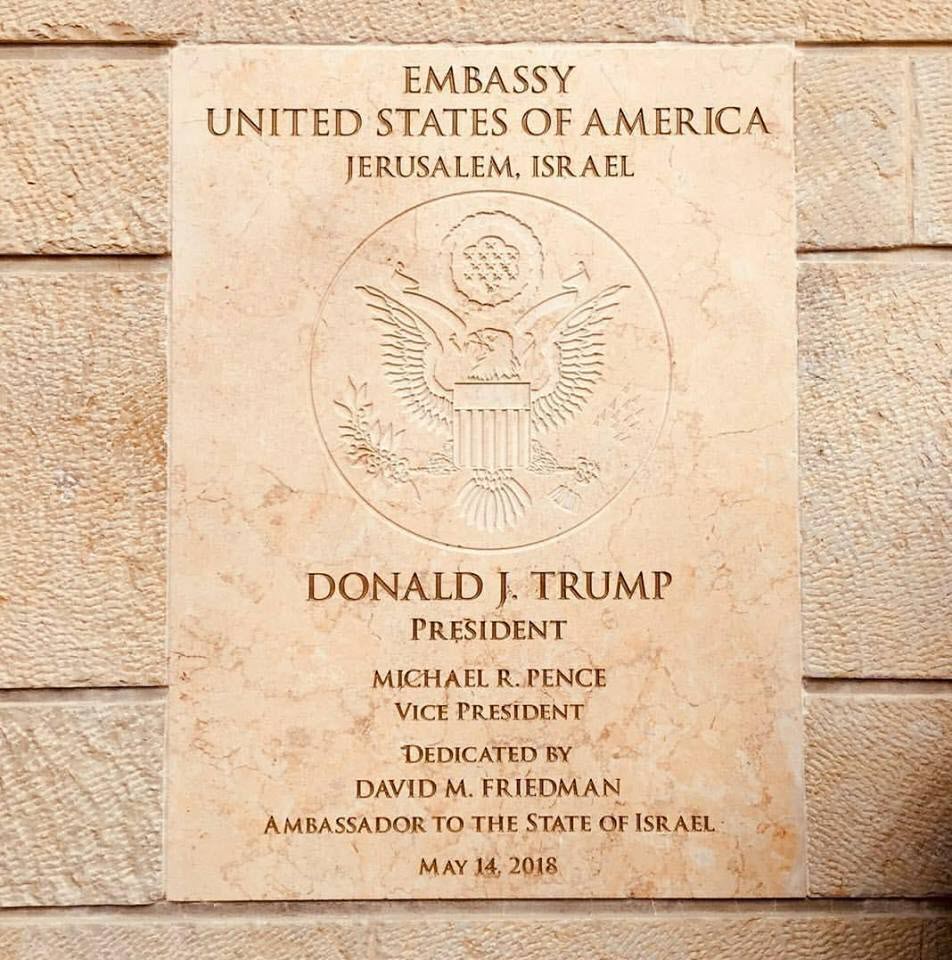
Avraham established Yerushalayim as the eternal capital of the Jewish nation and the Temple Mount as HaShem’s eternal embassy, from where HaShem manifests Himself to the world.
Next week, we shall see an event similar to Avraham’s declaration. Although not as breathtaking, it will be more widely witnessed.

by Rabbi Nachman Kahana | May 2, 2018
The deluge, which destroyed mankind at the time of Noach, indelibly engraved the fear in human consciousness that an event of commensurate proportions could again occur. There are those who propose that another world-wide catastrophe “could” occur and others who state that it will definitely strike the world, the only question is when?
by Rabbi Nachman Kahana | Apr 25, 2018
Our Minister of Agriculture Uri Ariel said in an interview last week, that the huge intermarriage rate of 70-80 percent of Jews in the USA is a Shoah – a holocaust. He was criticized on the grounds that nothing can be compared to the Shoah that was orchestrated and implemented by Germany and its allies in World War Two.
Although the two views appear to be contradictory – the intermarriage rate is a Shoah vs. nothing can be compared to the Shoah – the Minister is correct. I will explain.

by Rabbi Nachman Kahana | Apr 18, 2018
Three penniless, unscrupulous Chassidim wanted to be with their rebbe in Lublin for Rosh Hashana, so they devised a plan to raise money for the journey.
They would go to one of the Jewish villages in the area. On arrival one of the three would pose as a great scholar while the other two would announce his presence in the town, inviting anyone in need to come and ask for his blessings.
Yankel was chosen to pose as the tzadik. He was to sit in the synagogue and wait for the simple, believing “clients”. And indeed, they came in search of help for their miseries.

by Rabbi Nachman Kahana | Apr 11, 2018
Contrary to wide agreement in the Social Sciences community that Man’s behavior is formed and directed by his surroundings and upbringing, the Torah states יצר לב אדם רע מנעוריו – the instincts in man’s heart are evil from birth. Meaning: We are all commanded to control and direct our thoughts, intentions and actions in the way HaShem has set down in the Torah, however, everyone is born with tendencies that either abet or hinder in achieving this goal, which is nevertheless achievable.

