by Rabbi Nachman Kahana | Apr 3, 2018
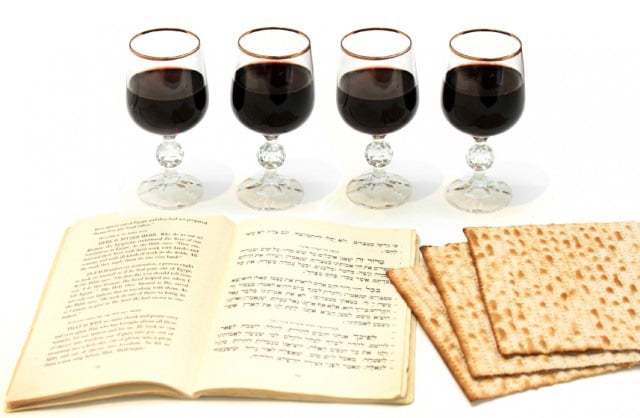
In parashat Bo, HaShem discloses the four stages to redemption that He will provide for the Jewish nation.
Analogous to the four stages of redemption (bring you, free you, redeem you, take you) our rabbis established the requirement of drinking four cups of wine on the seder night.

by Rabbi Nachman Kahana | Mar 20, 2018
This week’s pre-Pesach message is a repeat of what I have sent out for the past 15 years comparing Passover in America to Pesach in Eretz Yisrael.
Nevertheless, it is always appropriate and timely. Because every year, as we draw closer to the final geula, the message becomes more challenging for contemporary religious leaders in galut who are as blind to HaShem’s personal guidance of the Jewish nation as were the 80% of the Jews who refused to leave Egypt.
by Rabbi Nachman Kahana | Mar 14, 2018
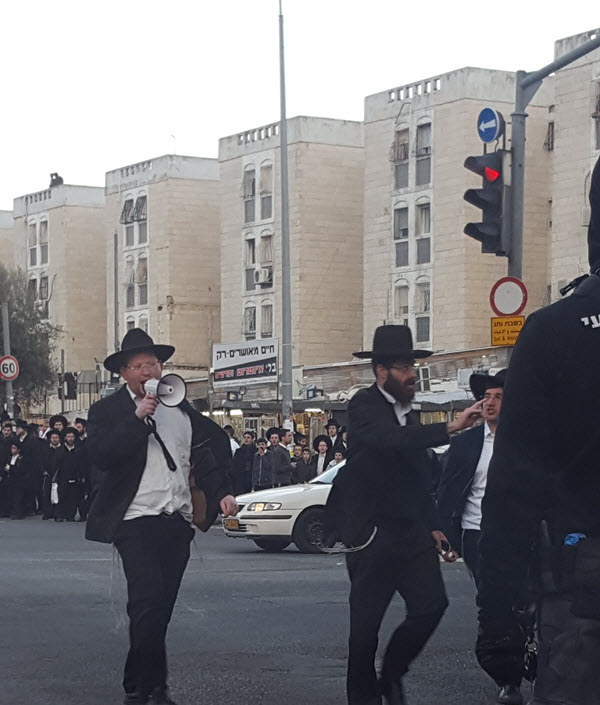
Tractate Makot ends with an incident where Rabban Gamliel, R. Elazar ben Azariya, R. Yehoshua and R. Akiva were viewing the devastation on the Temple Mount. The first three rabbis wept while R. Akiva expressed feelings of gladness. When asked to explain, R, Akiva quoted from the prophets that after the destruction will come eternal peace to the holy city. The rabbis exclaimed, “R. Akiva you have comforted us, you have comforted us”.
I underwent a similar experience where several of my rabbinic colleagues were very agitated in the face of a particular incident. I had the opportunity to mitigate their concerns, basing my words on a chapter of the prophets.

by Rabbi Nachman Kahana | Mar 7, 2018
We who cling to HaShem and await the final stage of our redemption all agree that the Medina, enormous as it is, is not the end game of our hopes and aspirations. It is a stage. A great one but only preparation for the future appearance of HaShem through the Mashiach and the dramatic new world we call Olam Haba.
How will HaShem proceed from here?

by Rabbi Nachman Kahana | Feb 27, 2018
In our parasha, Moshe pleads to comprehend the inner essence of the Almighty. His plea is answered to a degree that no other man had or would ever achieve, although far less than what Moshe intended.
We too thirst for a sign of HaShem’s presence, but too often we are disappointed. However, there were and are times when HaShem does “wink” at his people. It is usually by His awesome timing of world events.
This week we were gifted with a meaningful “wink”.
by Rabbi Nachman Kahana | Feb 20, 2018
There is much to be learned not only from the text of the parshiot (Torah portions) but even from their order of appearance. The last five parshiot of Shemot are Terumah, Tetzaveh, Ki Tisa, Vayak’hel and Pekudai.
Terumah and Tetzaveh deal with the Mishkan and its implements, while parashat Ki Tisa interrupts the sequence and tells of the sinful and disastrous episode of the Aigel Hazahav (the Golden Calf).
The final two parshiot, Vayak’hel and Pekudai, return to the subject of the Mishkan and its implements.
Mishkan, Mishkan, tragic episode of idolatry, and again Mishkan, Mishkan – what does it mean?

