
by Rabbi Nachman Kahana | Mar 7, 2018
We who cling to HaShem and await the final stage of our redemption all agree that the Medina, enormous as it is, is not the end game of our hopes and aspirations. It is a stage. A great one but only preparation for the future appearance of HaShem through the Mashiach and the dramatic new world we call Olam Haba.
How will HaShem proceed from here?

by Rabbi Nachman Kahana | Feb 27, 2018
In our parasha, Moshe pleads to comprehend the inner essence of the Almighty. His plea is answered to a degree that no other man had or would ever achieve, although far less than what Moshe intended.
We too thirst for a sign of HaShem’s presence, but too often we are disappointed. However, there were and are times when HaShem does “wink” at his people. It is usually by His awesome timing of world events.
This week we were gifted with a meaningful “wink”.
by Rabbi Nachman Kahana | Feb 20, 2018
There is much to be learned not only from the text of the parshiot (Torah portions) but even from their order of appearance. The last five parshiot of Shemot are Terumah, Tetzaveh, Ki Tisa, Vayak’hel and Pekudai.
Terumah and Tetzaveh deal with the Mishkan and its implements, while parashat Ki Tisa interrupts the sequence and tells of the sinful and disastrous episode of the Aigel Hazahav (the Golden Calf).
The final two parshiot, Vayak’hel and Pekudai, return to the subject of the Mishkan and its implements.
Mishkan, Mishkan, tragic episode of idolatry, and again Mishkan, Mishkan – what does it mean?

by Rabbi Nachman Kahana | Feb 13, 2018
HaShem seeks to complete His creation by joining the absolute material world of Am Yisrael with the absolute spiritual world of the Creator – each one providing one half of the equation.
HaShem began the world, but He requires the Jewish people to make its completion through the mitzvot.
by Rabbi Nachman Kahana | Feb 5, 2018
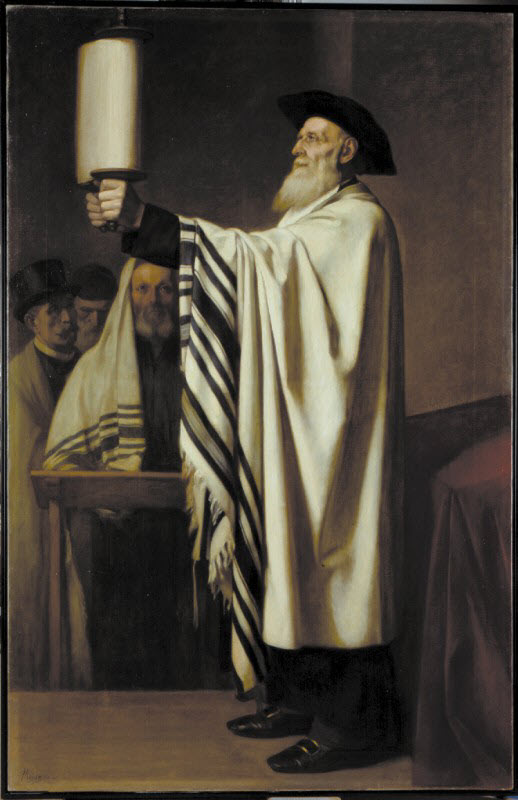
Among the many halachic issues in the parasha, there are the four categories of shomrim (guardians or watchmen) who do not return the items under their care and are required to swear before a rabbinic court, while holding a Torah scroll, that they were not guilty of negligence.
by Rabbi Nachman Kahana | Jan 31, 2018
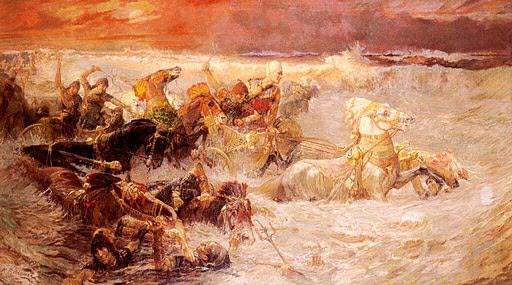
Yalkut Shimoni explains that the “stone”, “straw” and “lead” describes the death in the sea of three types of Egyptians: the most wicked, those in between, and the mildly wicked. The most wicked died a slow death, like “straw” on the water’s surface, which does not sink quickly. The “stone” alludes to those in between, who drowned after a bit of suffering. The “lead” refers to the mildly wicked, who died quickly, just as lead sinks quickly in water.


