
Chukat 5781
Para Aduma: to understand that which the wisest of all men was incapable of is certainly beyond the reach of mortal man, but that is what makes the matter all the more enticing: to try and succeed where others have failed.

Para Aduma: to understand that which the wisest of all men was incapable of is certainly beyond the reach of mortal man, but that is what makes the matter all the more enticing: to try and succeed where others have failed.
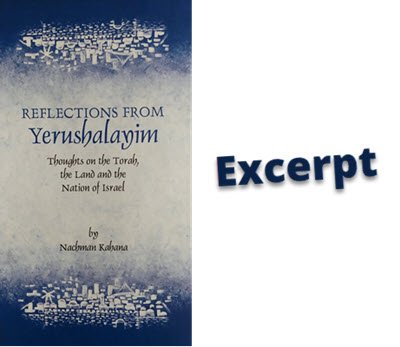
Excerpt from my book “Reflections from Yerushalayim”
Choice versus Virtue
One day during the three weeks preceding the Six Day War, I gave a lift to a soldier. During our conversation, I told him to relax because HaShem will perform perceptible miracles for us. The soldier responded, “How do you know that HaShem prefers us to the Arabs?” I answered, “because we are the Creator’s Chosen People.”
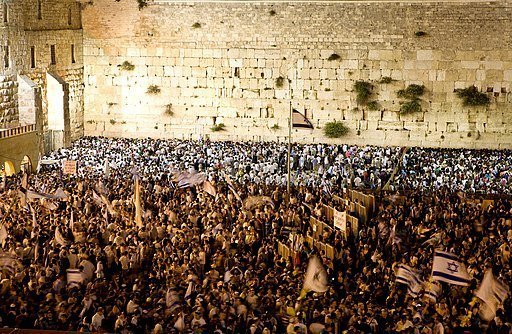
In Eretz Yisrael, the dry bones of the Jewish nation came together – bone to its bone – Jew to Jew- a Jew from Germany embracing a Jew from Yemen, a Jew from Morocco holding the hand of a Jew from Poland. And HaShem caused them to live again in Eretz Yisrael where we shall live forever as did the bones of the vision of Yechezkel 37.

Authored by my brother Rabbi Meir Kahana HY”D, 40 years ago:
Dear World, I understand that you are upset by us, here in Israel. Indeed, it appears that you are quite upset, even angry. Indeed, every few years you seem to become upset by us. Today, it is the “brutal repression of the Palestinians”; yesterday it was Lebanon; before that it was the bombing of the nuclear reactor in Baghdad and the Yom Kippur War and the Sinai campaign. It appears that Jews who triumph and who, therefore, live, upset you most extraordinarily.
The parasha brings together, in one giant leap, the spiritual failures of our society together with its crème de la crème. On one end is the sota, the married woman regarding whom there is valid reason to suspect that she has been unfaithful; and on the opposite end is the nazir, the God-fearing person whose spiritual thirsts are not satiated by the minimal demands of the Torah and who seeks to be even closer to HaShem by voluntarily imposing upon himself additional restrictions. In both cases they – the nazir and the sota – must eventually appear before the Kohanim in the Bet HaMikdash. Why?
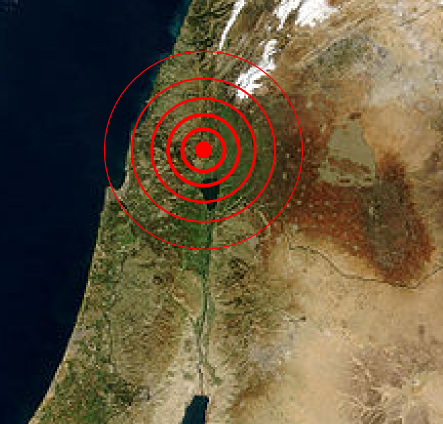
The tragic events in Meron on Lag B’Omer seem so long ago because in HaShem’s “divine little acre” challenge pursues challenge and headache pursues heartache.
That most people suffer in this world is axiomatic, but so too is the reality that HaShem’s chosen people suffer most. Why?
