by Rabbi Nachman Kahana | May 30, 2017
HaShem, in His infinite wisdom, brought about myriads of entities in all the worlds He created.
In the spiritual worlds which are far beyond our experience or comprehension with their innumerable universes and spiritual levels, angels are ranked according to their innate ability to comprehend the infinite Creator. There are the elementary Serafim, and the higher level Ofanim, and the Cha’yot Hakodesh, and many more.
by Rabbi Nachman Kahana | May 23, 2017
Nature does not relish or encourage imbalance or inequality.
The most elementary atom and molecule achieve stability through their equal number of positively charged protons and negatively charged electrons. However, when they become positively ionized by losing a negative electron, for example, they readily bond with an atom or molecule which became negatively ionized by losing a positive proton in order to regain stability.
HaShem created nature as a duality of equal parts, which when taken together create uniformity, equilibrium, and symmetry; imbalance in any of nature’s systems creates havoc.

by Rabbi Nachman Kahana | May 18, 2017
The parasha begins with hilchot (laws of) Shmita and Yovel (Sabbatical and Jubilee years), while emphasizing the point that these halachot were presented to Am Yisrael at Har Sinai (Mount Sinai).
Rashi and other commentators of the Torah, seek, each in their own way, to clarify the emphasis placed on Mount Sinai as being the site where these agricultural laws were presented when, in fact, the whole Torah was presented at Mount Sinai.
My understanding is as follows.
Imagine parents right after bringing their newborn baby home, sitting down to arrange the seating plans for the boy’s wedding. It would seem a bit premature.
by Rabbi Nachman Kahana | May 8, 2017
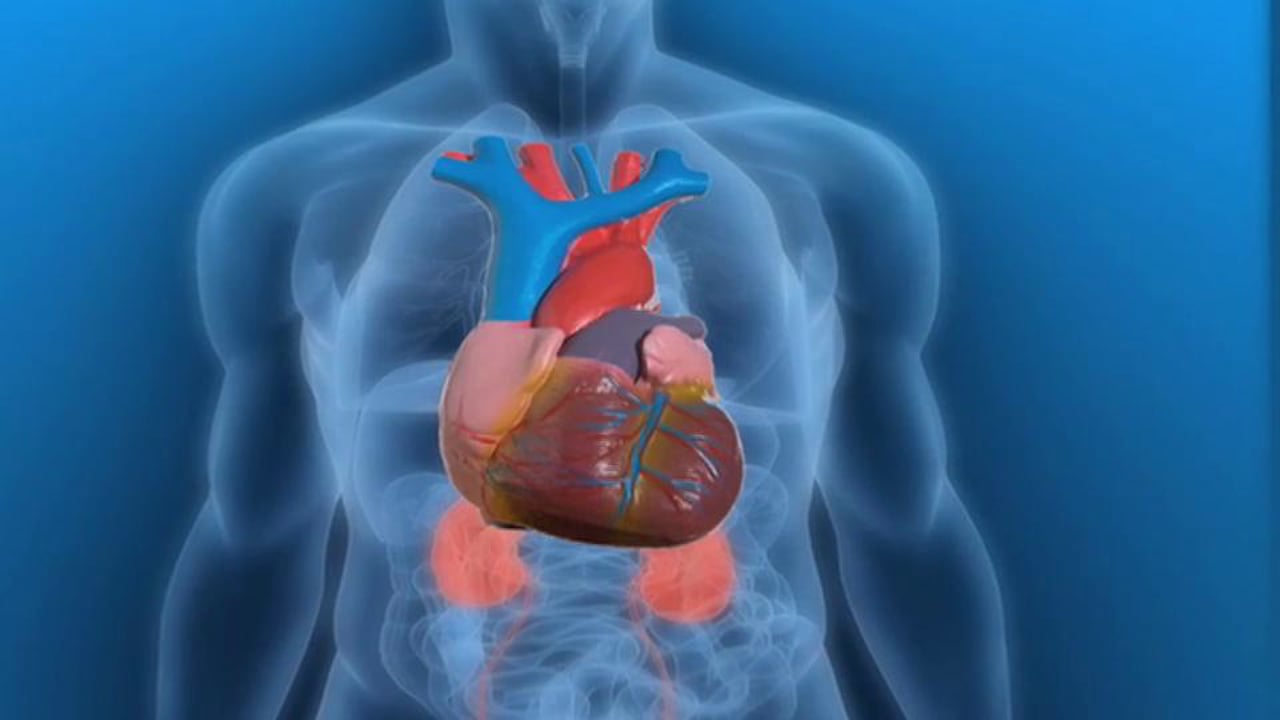
Life signs of a near death human can be extended artificially by feeding tubes, parenteral nutrition, mechanical ventilation, dialysis, cardiopulmonary resuscitation, defibrillation, artificial pacemaker, etc., but the Angel of Death’s patience has its limits.
The manifold parts of a whole human organism cease to function very soon after death sets in, however, individual organs can cease to function before death settles in. A limb can be gangrenous and amputated and internal organs removed with the patient continuing to live.
by Rabbi Nachman Kahana | Apr 25, 2017
Tsara’at is a pale area on one’s body in which the hair has lost its color by turning white. The inflicted person becomes tamai (impure) and is prohibited from entering a walled city in Eretz Yisrael, thereby being excluded from being a part of normal Jewish society. This is the punishment for the sin of lashon hara – derogatory and defaming speech.
In contrast to the spiritual world(s), our material universe consists of vast numbers of distinct entities.

by Rabbi Nachman Kahana | Apr 19, 2017
After 3500 years of serving as Hashem’s chosen people with a history unlike any other nation – neither in suffering, nor in accomplishments – the time has come to examine if the Jewish nation is a success story or a failure.
We are the only ancient people that is still alive – success. However, the majority of Jews today are not conscious Torah observers – failure. So, at the end of the day, is Hashem “happy” or “disappointed” with us?

