by Rabbi Nachman Kahana | Oct 16, 2018
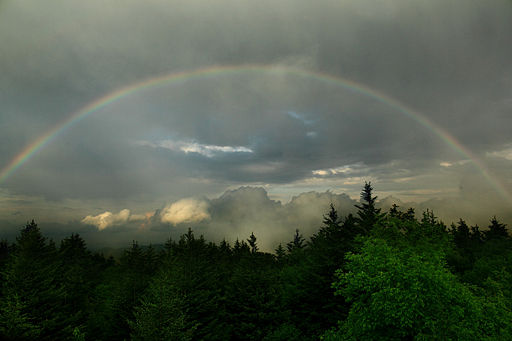
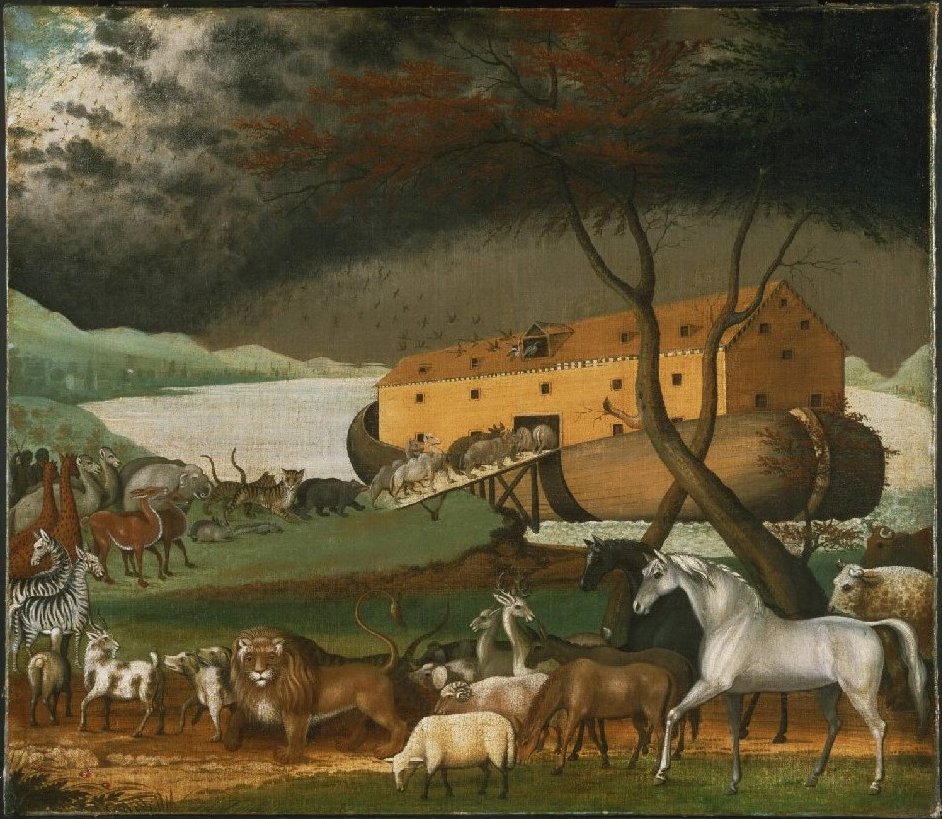
HaShem revealed to Noach that He would never again bring a flood to destroy all life, and the sign of the covenant would be the rainbow in the cloud. Why precisely a rainbow? And why did the start of Avram’s ascent on the stage of history begin as an addendum at the end of Parashat Noach?
When we delve deeply into the spiritual, a surprising truth is revealed – interiors are less complex than the exteriors.
by Rabbi Nachman Kahana | Oct 9, 2018
The Eretz Yisrael amora, Resh Lakish, is quoted in Sota 3a:
“One does not commit a transgression unless a spirit of folly enters him.”
An example of a sin performed out of folly is lying to HaShem. When a sinner repents for eating a non-kosher sandwich, he should not say that the sandwich was disgusting but should admit that it was tasty and that he regrets angering HaShem.
This being the case, how can a kohen say each day, “Blessed are You HaShem… Who has commanded us to bless His people Israel lovingly,” when he does not know half the people in the synagogue?
by Rabbi Nachman Kahana | Oct 2, 2018
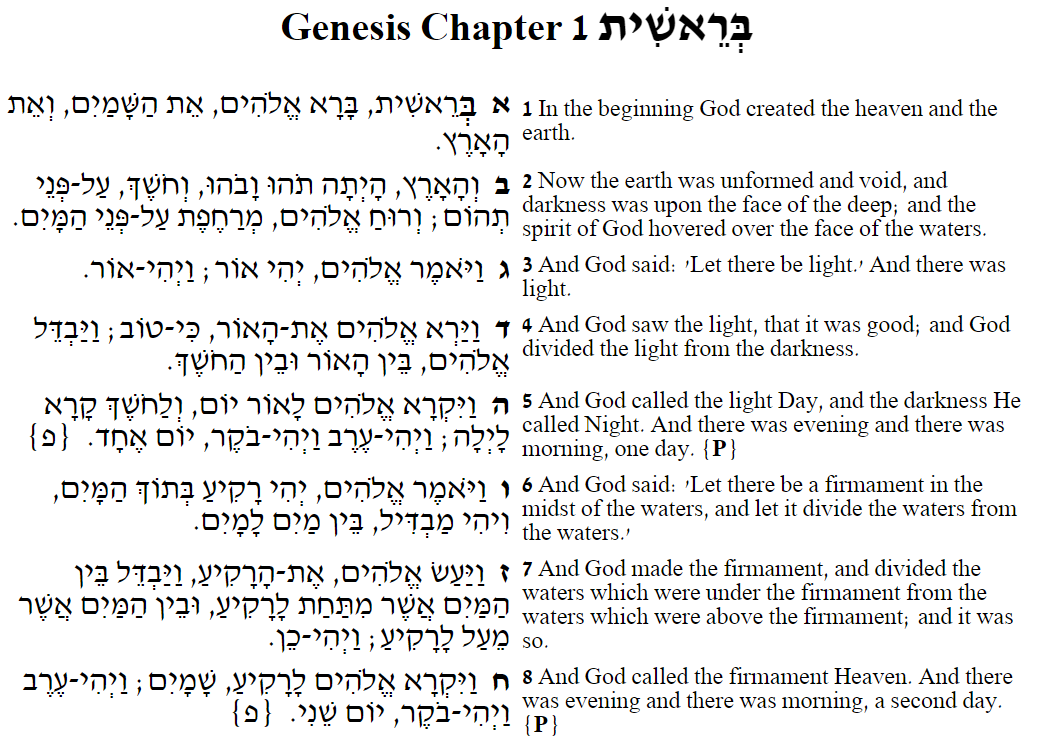
Who or what is “Elokim”? What is His nature? Is He loving, caring, or is He angry, zealous, spiteful, vengeful? Is He demanding, never forgiving our iniquities? Are human beings valuable and necessary in His eyes?
There is an ongoing battle between Islam and Christianity (each of whom claims over one billion adherents) regarding the nature of God. They do not believe in the same God, to be sure; because their Gods differ in the extreme.
by Rabbi Nachman Kahana | Sep 20, 2018
From my forthcoming book “Reflections from Jerusalem”
On Yom Kippur we read the heartbreaking saga of the “ten martyred rabbis”.
The Torah teaches that Joseph found his brothers in the Valley of Dotan not far from Shechem. After removing his many-colored cloak, the ten brothers involved in the betrayal lowered Joseph into a pit of snakes and scorpions, before selling him to the Ishmaelites and Midianites as it says, “Yosef followed his brothers and found them at Dotan” (Genesis 37:17).
by Rabbi Nachman Kahana | Sep 9, 2018
To the Exalted One, Creator of All Things, Rebono Shel Olam;
I will skip the formalities of asking how You are, because You are total perfection.
The following is my yearly e-mail (Elokim Mail) to report to You on the state of Your people as perceived from this virtual world, which of course is quite different from what is perceived from Your world of absolute truth.
There are two points I humbly wish to raise. But since You know my thoughts even before I, You know that they are in fact one.
by Rabbi Nachman Kahana | Aug 29, 2018
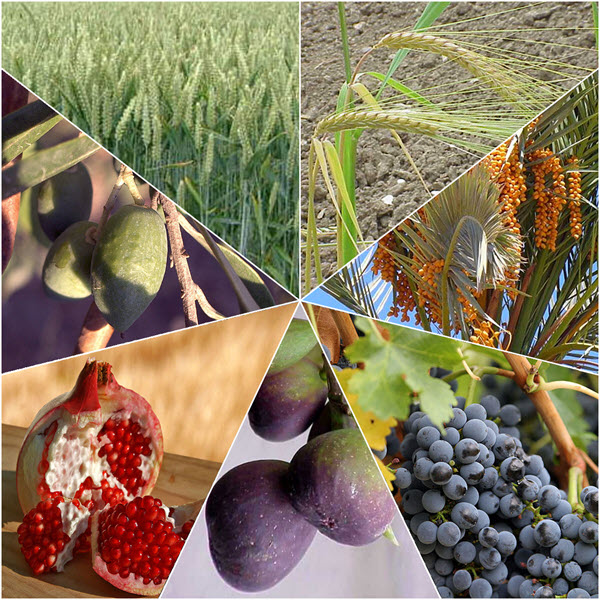
Our parsha begins with the mitzvah of “bikurim”. A landowner who grew any one of the seven species of flora which are indigenous to Eretz Yisrael: wheat, barley, grape, fig, pomegranate, olive or date, must bring a sampling of the first growth to the Bet HaMikdash starting after the holiday of Shavuot.
The landowner declares his recognition and thanks to HaShem for the bountiful blessings he received as an owner of land in Eretz Yisrael and presents the fruit to a kohen who places it near the altar.

