by Rabbi Nachman Kahana | Oct 14, 2015
Until now the monarchy was in the hands of Shaul from the tribe of Binyamin, whose great righteousness and military skill protected the nation. But now the king is dead and the monarchy will be transferred to the tribe of Yehuda. So it is imperative that the sons of the tribe of Yehuda and all the other tribes who will constitute the monarchy of the House of David excel in the art of war, just as Yehuda was blessed by Ya’akov prior to his death.
by Rabbi Nachman Kahana | Oct 7, 2015
Who or what is “Elokim”? What is His nature? Is he loving, caring, or is He angry, zealous, spiteful, vengeful? Is he demanding, never forgiving our iniquities? Are human beings valuable and necessary in His eyes?
There is an ongoing battle between Islam and Christianity, each of whom claims over one billion adherents, regarding the nature of God. They do not believe in the same God, to be sure; because their Gods differ in the extreme.
by Rabbi Nachman Kahana | Sep 25, 2015
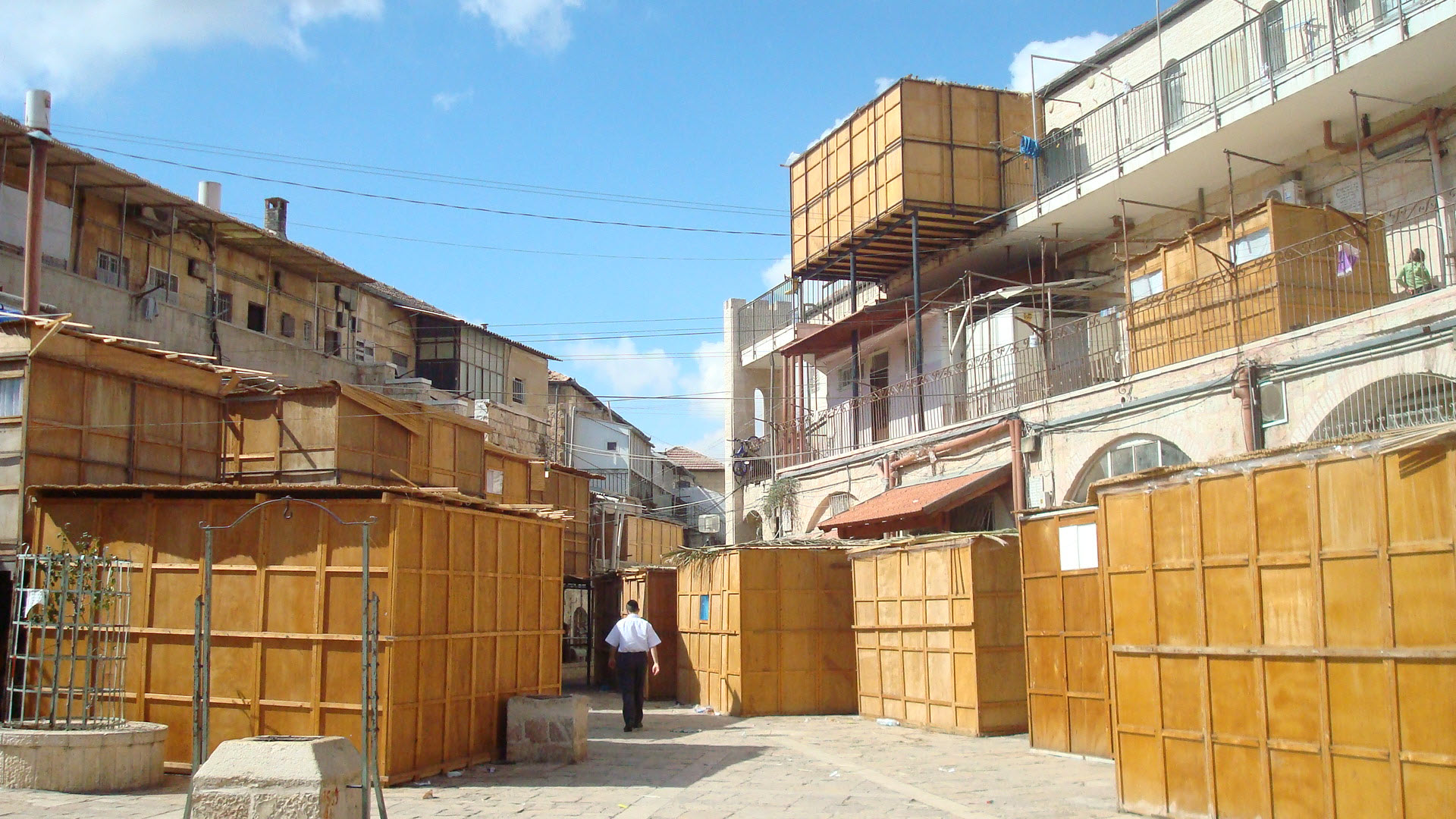
Reb Yisrael learned from his rabbi that one of the reasons for residing temporarily in a succah is in case one’s destiny was to be expulsion into galut on Rosh Hashana, then the departure from the comforts of home into the succah should be considered to be that galut.

by Rabbi Nachman Kahana | Sep 21, 2015
Ben Hadad King of Aram (today’s Syria), threatened Achav with war if he did not deliver to him his gold and silver, his wives and children. Achav was forced to capitulate and sent to Ben Hadad all that he demanded.
The following day, Ben Hadad sent anther demand to Achav. This time Achav was to deliver to him “machmad ay’necha” – that which is the most precious in your eyes. Achav and all his ministers rejected the demand and agreed unanimously to go to war.
The Gemara (Sanhedrin 102b) asks, that after relinquishing his gold, silver, wives and children, what was left that could be described as the “most precious thing” in Achav’s eyes?
by Rabbi Nachman Kahana | Sep 9, 2015
As we draw closer to Rosh HaShana, the tsunami of words we have been subjected to in the past year from all sources, retreat into the background of our subconscious to give space for our minds and hearts to inculcate and integrate into strategies and tactics for the coming year.
by Rabbi Nachman Kahana | Sep 2, 2015
There is a unit in Tzahal composed of sub-units of three soldiers. The unit in its entirety is mobilized in time of war, although there are elements which are in constant preparedness.
They go through grueling training in preparation for their mission, although in most instances they need not do more than knock on the door.


