
by Rabbi Nachman Kahana | Apr 20, 2021
On Yom Ha’Atzma’ut we recite the Hallel prayer which contains the words: “They have eyes but cannot see, ears but cannot hear.” I wonder if King David, when he wrote these words with idol worshippers in mind, could have imagined that they would apply perfectly to the religious leaders in today’s galut, who have eyes, ears and brains, but are unable to perceive that the world of the galut is now in the midst of its death throes, while the new-old world of the Jewish nation is being reshaped in Eretz Yisrael today?

by Rabbi Nachman Kahana | Apr 14, 2021
The holy Torah records many blessings of HaShem for His chosen people – breathtaking blessings and promises from the ultimate source of blessings – the Creator himself… we must strive to live al Kiddush HaShem.
by Rabbi Nachman Kahana | Apr 7, 2021
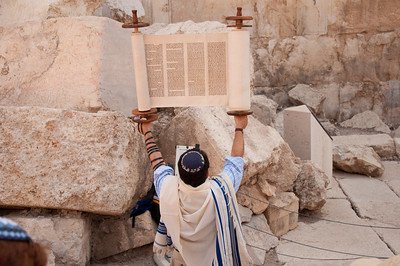
In this week’s parashat Shemini my attention was drawn to two specific personalities: Aharon HaKohen in the parasha, and Yehoshua bin Nun whose yahrzeit (date of death) falls in this week on the 26th of Nisan. Although the specific crises facing these holy men were vastly different, both were made to bear profound burdens which would have felled lesser men.

by Rabbi Nachman Kahana | Apr 6, 2021
We have undergone enormous suffering at the hands of Christianity and Islam over the last 2000 years, with the epitome of our suffering during the 6 years of the European Shoah. As a survivor of the American Shoah, I wish to make a proposal to the large orthodox organizations in the galut like the RCA, OU and Young ISRAEL
by Rabbi Nachman Kahana | Mar 24, 2021
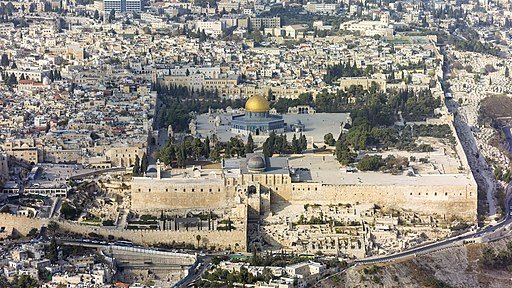
This is being written on the 23rd of March 2021 on the fourth election day in two years. But from my angle of vision as a retiree from active participation in Israeli life, now perched high above the din, babel, cacophony, and discordance of our political system, I can say that it really doesn’t matter who wins or loses the election!

by Rabbi Nachman Kahana | Mar 19, 2021
The Hagada instructs every Jew to see himself and herself as if they were enslaved in Egypt and were freed by the hand of HaShem. The most effective way is to stand before a mirror and imagine that you are looking at a Jewish slave.
After reading the following story of two brothers, stand before a mirror and ask yourself two questions: Which of the two brothers and their respective families are living a life closer to the word and spirit of the Torah? Where do you and your family fit into the story?

