by Rabbi Nachman Kahana | Aug 8, 2019
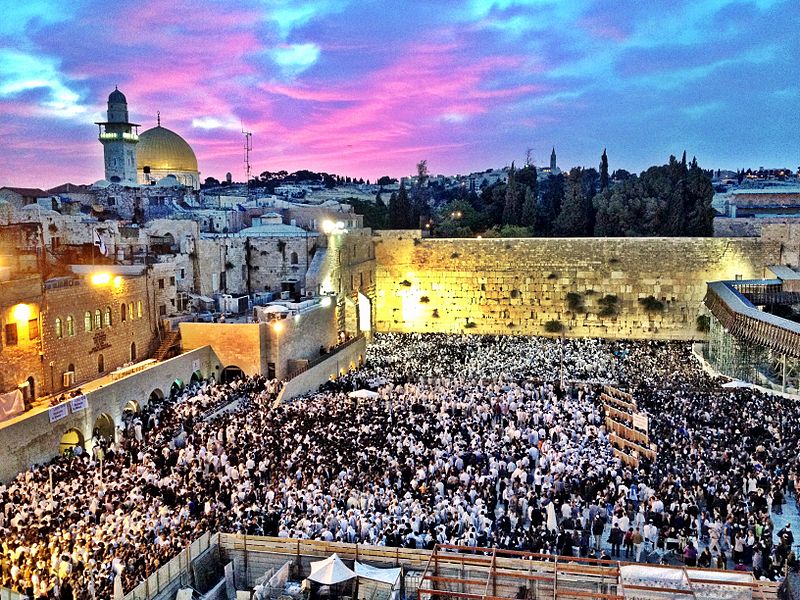
When catastrophe strikes, look beyond the immediate grief and try to discover the invisible hand of HaShem. You will probably not succeed, but the very attempt is an affirmation of your belief in the intimate relationship between the Creator and His chosen creations – Am Yisrael.
by Rabbi Nachman Kahana | Jul 31, 2019
“These are the journeys of the Children of Israel when they departed from Egypt united under the leadership of Moshe and Aharon. 2 At HaShem’s command, Moshe recorded their departures and journeys; and these are their journeys and departures.”
Question: In the initial part of verse 2 Moshe writes “departures and journeys”, in the latter part of the verse the order is reversed “journeys and departures”. Why?

by Rabbi Nachman Kahana | Jul 17, 2019
In 1948, the Chief Rabbinate of Israel published its official prayer for the State of Israel. To this day, it is said on Shabbat and holidays in synagogues the world over, by people who recognize the “hand” of HaShem in our return to Eretz Yisrael. However, there is a big story behind the prayer, as related to me by an individual who was privy to the events.
David Ben Gurion, Israel’s first prime minister, turned to the Chief Rabbi Yitzchak Herzog z”l to recommend a prayer for the Medina which would be accepted by the Israeli government as its official text.
by Rabbi Nachman Kahana | Jul 12, 2019
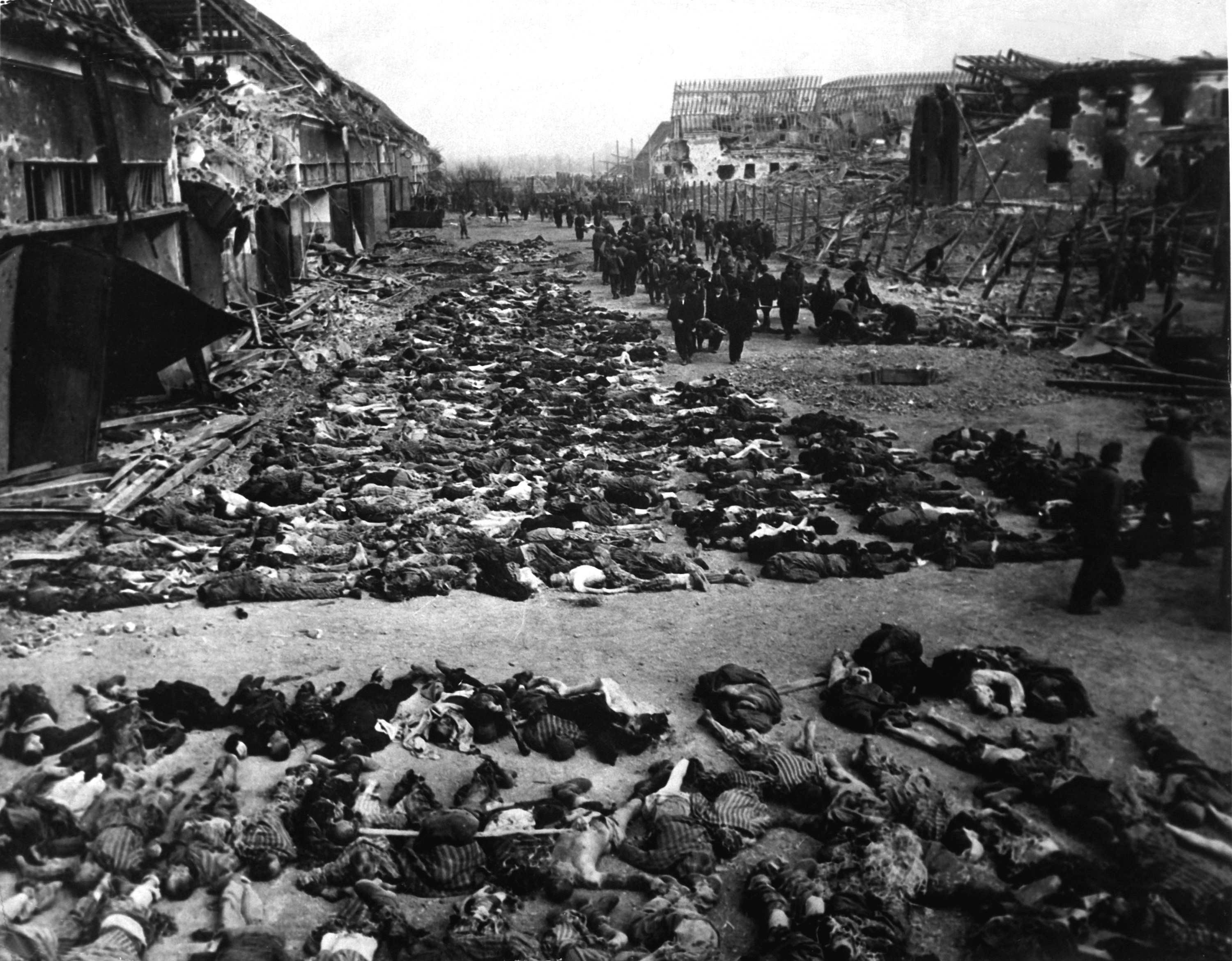
Balak’s anti-Semitism was immense, but it had a limit. Bil’am’s hatred knew no limitations, only total annihilation with not one Jew to be left in the world. Bil’am, the man, comprised within himself the two evil forces which are threatening the Jewish nation today. He is the murderous, sadistic Muslim who supported Paro’s suggestion to physically enslave the entire Jewish nation. He is the cursing, venomous voice of the United Nation’s Security Council, the United Nation’s General Assembly, the International Court of Justice, the United Nations Human Rights Commission and the European Union. He is the voice of BDS, of J Street betrayers and traitors, of the “turn-the-other-cheek” Christian Churches – the one in Rome and the others to the East.
by Rabbi Nachman Kahana | Jul 5, 2019
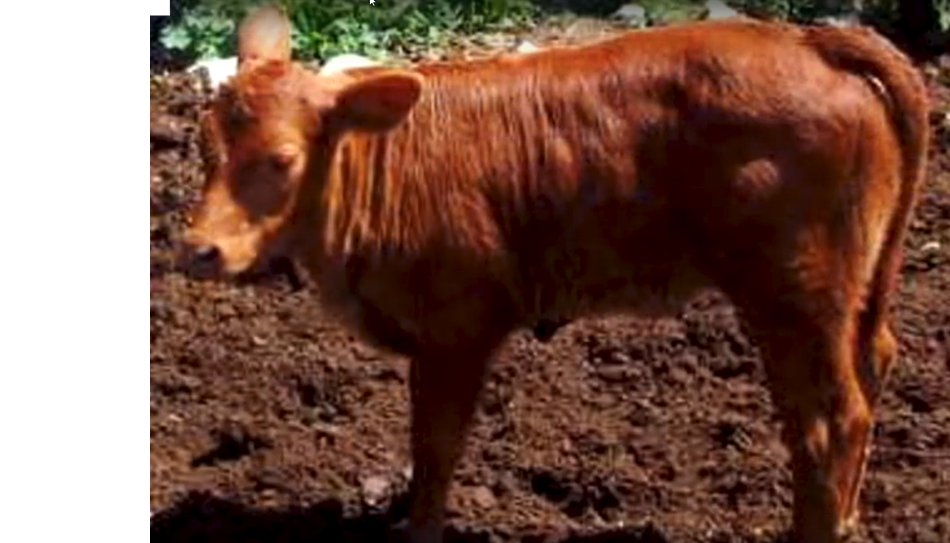
Our parsha begins with the unfathomable ritual of para aduma, the red heifer. The completely red-haired animal is burned on Har Ha’zaytim to the east of the Temple Mount, in direct line with the Holy of Holies, which enabled the officiating Kohen to see into the Holy of Holies.
The Torah informs us that all the people involved in the preparation of the para aduma become tamei (a state of ritual impurity), even though the result of their efforts is the purification of people or objects which became tamei through contact with a corpse.
How strange that the people who are engaged in the purification of others become themselves impure!

by Rabbi Nachman Kahana | Jun 26, 2019
A letter to HaShem from my forthcoming book “Reflections From Yerushalayim”

